Homepage / Fritz Jergitsch
Fritz Jergitsch

Fritz Jergitsch

Born 1991 in Vienna, Jergitsch studied economics in Utrecht and founded the satire magazine “Die Tagespresse” in 2013. As a freelance author he also works on various productions for other media and is seen as an expert on social media. He has received numerous awards, including the Austrian Cabaret Prize Special Award (2015), 'Onliner des Jahres' in the media-maker category (2016), 'Journalist des Jahres' in the entertainment category (2017) and Forbes Europe '30 under 30' in the media category (2018). Most recently published by Residenz Verlag: “Die Geister, die ich teilte” (2021).

Books

Coverabbildung von 'Heulen hilft uns auch nicht weiter'

Fritz Jergitsch - No Point Crying About It

Understanding Populism, Rethinking Freedom in the Digital Age

Globalisation and digitalisation have brought tremendous prosperity—and also polarisation, status anxiety and political anger. Right-wing populists from Trump to Weidel to Kickl have taken advantage of these profound shifts, offering simple answers instead of actual solutions. This book shows how globalisation and social media fuel populism, and why democratic parties have reacted so feebly. Still, crying about it won’t get us anywhere, so Fritz Jergitsch—social media expert and commentator on contemporary politics—outlines a new liberalism for the twenty-first century: one that ensures a fair share in progress, digital democracy and a clear commitment to freedom and the rule of law. A passionate argument for why our democracy needs a refresh.

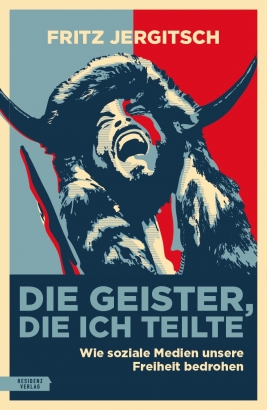
Coverabbildung von 'Die Geister, die ich teilte'

Fritz Jergitsch - THE GHOSTS I SHARED

How social media threatens democracy

In the past decade we have seen a disconcerting rise in the number of autocratically ruled states ¬– for the first time since the second world war. Is there a link between the new ascent of autocracy and social media? In “The Ghosts I Shared”, Fritz Jergitsch takes a closer look at what makes the likes of Facebook and Twitter tick and describes how autocrats and others misuse social media for fake news. Jergitsch draws on current developments for his analysis and explores why in the midst of a pandemic, millions of people suddenly believed the virus was just an invention and how a US president could incite his followers to storm The Capitol. Can we rid ourselves of the ghosts we've shared?