studied communication design at the Kunsthochschule Berlin-Weißensee and at the École des Arts décoratifs Paris. She lives in Berlin and has been working as an illustrator, book designer and graphic designer for numerous publishing houses, cultural institutions and universities since 2006. She teaches as a lecturer at various universities.
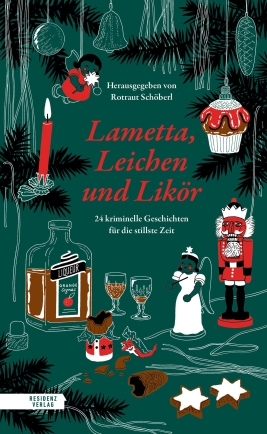
Winterzeit ist Krimizeit: Die renommiertesten Krimiautor* innen Österreichs sind der Einladung von Buchhändlerin und Krimi-Queen Rotraut Schöberl gefolgt und erzählen von zweifelhaften Geschenken, vergifteten Vanillekipferln und Morden im Kerzenlicht. Denn gerade in der stillsten Zeit des Jahres kann das Schweigen tödlich enden und auch der leise rieselnde Schnee hat schon manche Leiche zugedeckt.
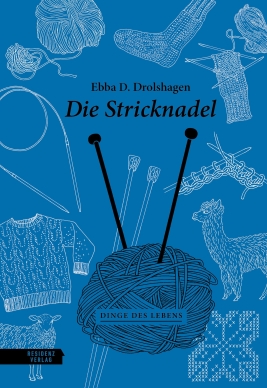
Hier geht’s um mehr als zwei Stäbe und einen sehr, sehr langen Faden. Kenntnisreich und unterhaltsam erzählt Ebba D. Drolshagen eine unglaubliche Fülle an Geschichten: von der strickenden Madonna des Malers Meister Bertram bis zur Erfindung des achtzackigen Norwegersterns, von Mustern, die wandern, bis zum Guerilla Knitting, von Schaf- und Rentierwolle, vom norwegischen Sweater Curse bis zur Web-Community namens Ravelry. Sie berichtet über das Stricken als Lebensunterhalt, als Hobby, als Mittel zur Disziplinierung ungebärdiger Mädchen, als politisches Statement und natürlich als bewährten Weg, um sich warm zu kleiden.
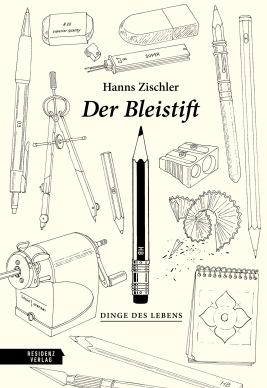
Die Neuzeit, so Hanns Zischler, beginnt ebenso mit dem Bleistift wie mit dem Buchdruck. So alltäglich wie unverzichtbar, prägt der Bleistift unsere Handschrift, wir brauchen ihn für die schnelle Notiz, die Unterstreichung in unseren Büchern, für Zeichnungen und Listen. Wir lieben seine unterschiedlichen Härten und Spitzen – und die Tatsache, dass sich seine Spur wieder beseitigen lässt. Von der Entdeckung des Graphits 1564 über die industrielle Fertigung seit dem 18. Jahrhundert bis in unsere Zeit reicht die spannende Geschichte des Bleistifts. Unterwegs werden „Bleistiftgebiete“ erforscht, das neue Genre der Skizze erfunden, wir begegnen Alice im Wunderland und lernen alles über einen „parasitären Verbündeten“: den Radiergummi.
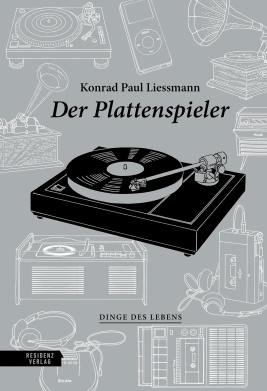
In the age of digitalisation, record players and good old vinyl discs are enjoying a remarkable renaissance. For Konrad Paul Liessmann, however, this came as no surprise. He has always stayed true to the record player. The revolving record, the slender needle and the delicate grooves exert a powerful fascination for him. Turning his attention to his beloved record player, the philosopher Konrad Paul Liessmann intertwines his personal musical experiences with a brief cultural history of listening. He tells the story of how sound has been stored and reproduced, from the first gramophone to modern streaming services, and asks to what extent our relationship with music has been changed as a result of its technological reproducibility.