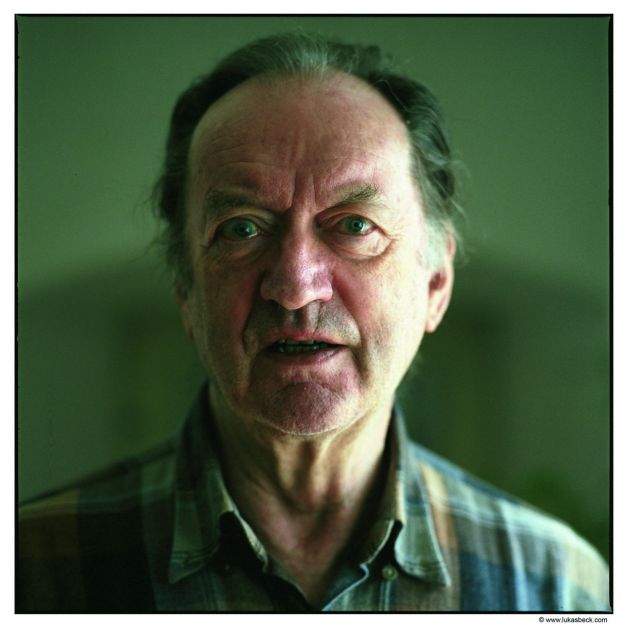
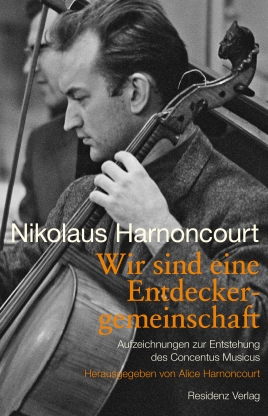
born in Berlin in 1929, died in 2016, founded his early music ensemble, the Concentus Musicus, in 1953. He received numerous international awards as a conductor, including the Polar Music Prize and the Erasmus Prize.
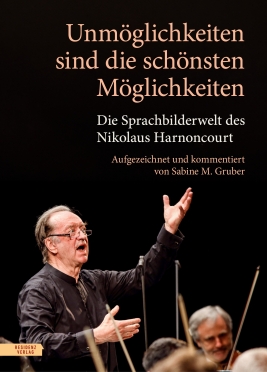
One of the keys to Nikolaus Harnoncourt’s artistry was his ingenious talent for conveying musical content in verbal images. Author and choral singer Sabine M. Gruber – both a participant and an observer – kept a record of Harnoncourt’s rehearsal instructions in her notes for 30 years. Combining original quotes with essays, she sheds light on the personality of the man and artist, while exploring the essence of his musical and artistic process. A book full of humour, musical truth and essential wisdom.
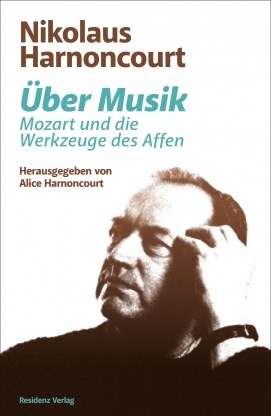
The unique rationale behind Nikolaus Harnoncourt's practice of music brought him fame across the entire musical world. With his ensemble Concentus Musicus he broke established traditions and opened up new approaches to interpreting old music. This was in part the result of his intensive research into the sound produced by original period instruments, but more significantly came about as a consequence of questioning conventional hearing habits. What exactly is music? What effect does it have? And what were the intentions of its creators? Harnoncourt's writing on performance practices, baroque music and instruments such as the harpsichord reads like eloquent music making. A wondrous journey through the history of music.
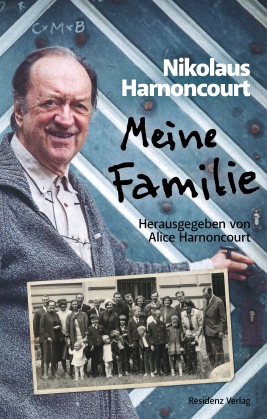
Nikolaus Harnoncourt’s childhood and youth was shaped by hardship and the after-effects of World War II, the parenting codex of the aristocracy to which his family belonged and the love for music. The world was in upheaval, it was a time of great political and societal change. To give his children and grandchildren a greater understanding of this era Harnoncourt wrote down his memories and reflections in a “family book”. How did his family deal with the economic and political shifts? What was life like when everything was no longer what it had been? And what traditions shaped the Harnoncourt family? Nikolaus Harnoncourt’s personal account is a fascinating record of the past.
Nikolaus Harnoncourt devoted himself to the study of early music, the way it is played and the sound of period instruments from an early age. In 1953 he founded the famous Concentus Musicus with his wife Alice and other musicians. This was to provide a forum for his work on period instruments and the historic performance practice of renaissance and baroque music. It was not until four years later that the Concentus Musicus first performed in public. Alice Harnoncourt has brought together the unpublished diary entries and notes of her husband, which recount his explorations on the trail of early musical sounds. It is a fascinating and entertaining journey, during which Harnoncourt had to accomplish much to listen his way towards the original period sound.